Considering Stem Cell Therapy in Dubai? Discover how Yeppeun Skin Clinic’s Korean-standard, autologous growth-factor treatment supports natural skin renewal, collagen production, and a refreshed complexion, DHA/MOHAP-licensed, minimal downtime.
Stem Cell Therapy at Yeppeun Skin Clinic is a cosmetic skin-renewal treatment that uses growth factors and cellular signaling components drawn from your own blood, then delivered into the skin with a Korean-standard MTS (Microneedling Therapy System) stamp. It is not a medical stem-cell transplant and it does not treat disease, it is a non-surgical way to support your skin’s own renewal and collagen-building processes. Most patients complete one session at our Jumeirah 2 clinic, need no real downtime, and start noticing a fresher, more even-toned complexion within a few weeks. Below, we break down what the treatment involves, what results to expect, and how to know if it’s a good fit for your skin, always confirmed through a consultation with our DHA/MOHAP-licensed team.
What are the benefits of Stem Cell Therapy?
Stem Cell Therapy is designed to support the skin’s natural renewal cycle using your body’s own biological material, so the main benefit is a more refreshed, resilient complexion with minimal disruption to your routine.
Patients typically report:
- A smoother, more even skin texture: as the treatment supports natural collagen activity in the skin
- A reduction in the visible appearance of fine lines and light acne scarring, rather than a “resurfacing” or ablative effect
- A brighter, more refreshed complexion, since the growth factors used come from your own blood: no synthetic fillers or foreign material involved
- Very little downtime, so it fits around work, travel, and daily life
- A treatment tailored to your skin, since the material is autologous (from you), which our team explains fully during consultation
Because the approach uses your own blood as the source material, it’s often chosen by patients who prefer a more natural-feeling option compared to injectable fillers or more aggressive resurfacing treatments. That said, “natural source” does not mean “risk-free” or “guaranteed”: your provider will walk you through realistic expectations before booking.
Why patients ask about it specifically: many UAE readers come across the term “stem cell therapy” online and want to know whether it’s the same as medical stem-cell transplantation used in regenerative medicine. It isn’t. At Yeppeun, Stem Cell Therapy is a cosmetic, skin-focused treatment that supports your skin’s own biological processes, it does not involve harvested embryonic or lab-grown stem cells, and it is not used to treat any medical condition or disease. Being clear about this distinction matters, and our team is happy to explain it in full detail during your consultation.
What can you expect during a Stem Cell Therapy session?
A Stem Cell Therapy session at Yeppeun typically takes under 90 minutes from blood draw to finish, and most patients return to normal activities the same day.
Here’s the general flow, following Korean-standard clinical protocol:
- Consultation and skin assessment: our team reviews your skin concerns, medical history, and suitability before anything begins.
- Blood draw: a small, standard blood sample is taken, similar to a routine blood test.
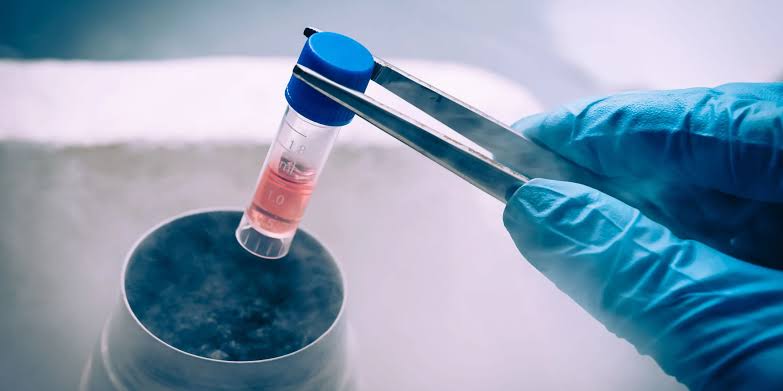
- Processing: the sample is spun in a centrifuge to concentrate the plasma and growth-factor-rich components.
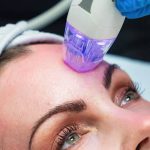
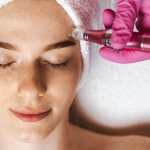
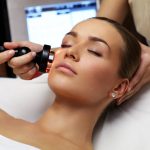
- Topical application: this concentrated serum is applied to the treatment area and driven into the skin using the MTS microneedling stamp, a fine, controlled Korean-standard delivery method that creates micro-channels for better absorption.
- Aftercare guidance: you’ll leave with clear instructions on what to expect over the following days.
During the session, most patients describe mild pressure or a light tingling sensation from the microneedling stamp rather than sharp pain; a numbing cream can be applied beforehand if needed.
Immediately after, mild redness or slight warmth in the treated area is common and usually settles within a day. You can typically resume your normal schedule right away, no lengthy recovery period is required, though we recommend avoiding heavy sun exposure and makeup for the rest of the day.
Korean-standard technique notes: the depth, pattern, and pressure of the MTS stamp application are calibrated to your skin type and the area being treated, this is a core part of the Korean-standard protocol our clinicians follow, rather than a one-depth-fits-all approach. Needle depth is typically kept shallow to superficial-medium for facial skin, which is part of why downtime stays minimal compared to deeper resurfacing devices. Your practitioner will also map out which zones need more passes (commonly cheeks, under-eyes, and areas with visible texture irregularity) versus areas that need a lighter touch.
Typically one session is enough to start the process, though your provider may recommend a different frequency depending on your skin’s condition and goals, this is confirmed on a case-by-case basis rather than a fixed protocol for everyone.
How long do results last?
Most patients begin noticing early changes in skin texture and tone within a few weeks, with full results typically visible around the one- to three-month mark as the skin’s renewal processes continue to build.
A few honest timeline notes:
- Early signs (subtle glow, smoother texture): often within 2-4 weeks
- Fuller visible improvement: generally by weeks 8-12, as collagen-related processes continue
- How long it holds: individual results vary depending on your skin condition, age, lifestyle, and how your body responds: your provider will discuss a realistic range for your case at consultation rather than a fixed guarantee
Results are not permanent, and skin naturally continues to age after any renewal treatment. Many patients choose to maintain their results with periodic follow-up sessions or complementary treatments (see below), spaced according to their provider’s recommendation rather than a one-size-fits-all schedule.
Aftercare tips to help results last:
- Use a broad-spectrum SPF daily: sun exposure is the biggest factor working against skin renewal
- Keep skin hydrated with a gentle, fragrance-free moisturizer for the first week
- Avoid harsh actives (strong retinoids, acids) for a few days post-treatment unless your provider says otherwise
- Stay consistent with your regular skincare routine between sessions
Is Stem Cell Therapy for me?
Stem Cell Therapy may suit you if you’re looking for a natural, low-downtime way to support skin renewal and improve overall texture and tone, but suitability always depends on an in-person assessment, not a self-diagnosis.
Good candidates often include people who:
- Want to address early signs of aging, dullness, or uneven texture without surgery or fillers
- Have mild-to-moderate acne scarring and want a gentler, non-ablative option
- Prefer treatments using their own biological material over synthetic injectables
- Have a busy schedule and need a treatment with essentially no recovery time
- Are looking for a complement to (not a replacement for) a broader skincare and anti-aging plan
It may not be the right fit, or may need modification, if you:
- Have active skin infections, certain blood disorders, or are on blood-thinning medication (your provider will screen for this)
- Are pregnant or breastfeeding
- Are looking for a solution to deep scarring, significant volume loss, or medical skin conditions: these need a different treatment plan entirely
- Expect dramatic, instant, or permanent transformation from a single session
A few candidacy nuances worth knowing:
- Skin type and current condition matter more than age alone: some patients in their late 20s book it proactively for prevention-style skin support, while others come in their 40s and 50s for more visible texture concerns. Both can be reasonable candidates, depending on assessment.
- If you’re also dealing with active breakouts, your provider may recommend clearing those first before microneedling-based delivery, since broken or inflamed skin isn’t ideal for this technique.
- Patients with a history of keloid scarring should flag this during consultation, as it factors into the suitability decision.
- If you’re unsure whether your main concern (say, deep pigmentation vs. texture vs. fine lines) is better addressed by Stem Cell Therapy or a different treatment altogether, that’s exactly what the consultation is for: our team will point you toward the right option, even if that means a different treatment on our menu.
This treatment is cosmetic and skin-focused. It is not a substitute for medical stem-cell therapy, tissue regeneration medicine, or treatment of any disease, and no diagnosis or medical claim is made in this article. A licensed consultation at Yeppeun Skin Clinic is the only reliable way to confirm whether it’s right for your skin.
What are the possible combinations for Stem Cell Therapy?
Stem Cell Therapy is often paired with complementary treatments to extend and enhance results, since it works on skin renewal from a different angle than resurfacing or volumizing treatments.
Commonly discussed combinations include:
- Hydrating skin boosters: to add and lock in moisture alongside the renewal support from Stem Cell Therapy
- Gentle laser or light-based treatments: for patients also wanting to address pigmentation or tone unevenness
- HIFU or radiofrequency skin-tightening treatments: for patients who want to address both texture and mild laxity in the same treatment plan
- A structured skincare regimen: including SPF, antioxidants, and barrier-support products recommended by our team to maintain results between sessions
- Spaced follow-up sessions: some patients choose a maintenance schedule rather than a single one-off treatment, decided based on how their skin responds
Any combination plan is built around your specific skin goals, timeline, and budget during your consultation, we don’t recommend stacking treatments without a licensed provider mapping out the right sequence and spacing for your skin.
Book Your Stem Cell Therapy Appointment Today
Ready to find out if Stem Cell Therapy fits your skin goals? Book a consultation with our DHA/MOHAP-licensed team at Yeppeun Skin Clinic in Jumeirah 2, Dubai, and we’ll assess your skin, walk you through the process step by step, and build a plan suited to you, no guesswork, no one-size-fits-all promises.
Follow us on Instagram for real patient journeys, before-and-after glimpses, and behind-the-scenes looks at our Korean-standard clinic, then come say hello in person for your consultation.
Frequently Asked Questions
Is Stem Cell Therapy safe?
Stem Cell Therapy at Yeppeun uses a small sample of your own blood, processed and applied under DHA/MOHAP-licensed clinical protocols, which minimizes the risk of allergic reaction since no foreign material is introduced. As with any skin treatment, suitability is confirmed through a pre-treatment consultation and medical history review.
How is Stem Cell Therapy different from PRP facials?
Both use your own blood as the base material, but Stem Cell Therapy at Yeppeun concentrates additional growth-factor and cellular signaling components beyond standard PRP and delivers them via a Korean-standard MTS microneedling stamp for deeper absorption. Your provider can explain which option better matches your skin goals during consultation.
Does Stem Cell Therapy help with acne scars?
Many patients use Stem Cell Therapy to support a reduction in the visible appearance of mild-to-moderate acne scarring by encouraging the skin’s natural renewal and collagen-related processes. Results vary by scar depth and skin type, so a consultation is needed to set realistic expectations.
How long do Stem Cell Therapy results last?
Early changes are often visible within a few weeks, with fuller results typically developing over one to three months as the skin continues its renewal cycle. Longevity varies by individual and is often extended with good sun protection and, for some patients, periodic maintenance sessions.
What is the downtime after Stem Cell Therapy?
Downtime is minimal; most patients return to normal daily activities immediately after treatment, with only mild, short-lived redness or warmth in the treated area. This makes it a popular option for patients with busy schedules.