Considering Scalp MTS in Dubai for thinning hair? Learn how this Korean-standard microneedling treatment works, what to expect, realistic timelines, and who it suits, from DHA/MOHAP-licensed Yeppeun Skin Clinic in Jumeirah 2.
Scalp MTS (Micro-needle Therapy System) is a scalp microneedling treatment that uses fine, sterile needles, via a derma roller or a micro-needle injector device, to create controlled micro-channels in the scalp. This allows hair-supporting actives, such as amino acids, to absorb more effectively while the micro-injury response encourages the scalp’s own repair activity around the follicles. At Yeppeun Skin Clinic in Jumeirah 2, Dubai, Scalp MTS is delivered using Korean-standard technique under DHA/MOHAP-licensed care, with a full session taking around 40–60 minutes including scalp preparation. Most patients start with a course of 3 sessions, and visible changes are typically reported after around 10 sessions, with more complete results building over 6 months to a year. If you’re noticing thinning, early hair loss, or a scalp that feels less responsive to the products you’re using, this guide breaks down what the treatment actually involves before you book a consultation.
What are the benefits of Scalp MTS?
Scalp MTS is designed to support scalp health and hair density by improving how well nutrients reach the follicles, it does not add hair or reverse hair loss on its own. The main benefits reported by patients and supported by the mechanism include:
- Improved scalp nutrient absorption: the micro-channels created during treatment allow amino acids and other hair-supporting actives to penetrate deeper than topical application alone.
- Support for hair density and thickness over time: as part of a broader hair-health plan, patients often notice their existing hair looking fuller.
- Follicle stimulation: the controlled micro-injury encourages localized circulation and cellular activity around the scalp.
- Minimal downtime: most patients return to normal routines the same day or within a day, with only mild redness or itching that settles within hours to a few days.
- No lasting scalp damage: the needles used are fine and the depth is controlled, so despite the “micro-needling” name, the scalp surface is not damaged.
- Compatible with color-treated hair: the treatment does not require patients to avoid or delay color services long-term.
It’s worth being clear-eyed here: Scalp MTS is a supportive scalp treatment, not a guaranteed hair regrowth solution, and results vary between individuals depending on the underlying cause of thinning. A consultation at Yeppeun helps set realistic, personalized expectations before you start.
Why the mechanism matters. In plain terms, the scalp’s outer layer normally limits how much of a topical product actually reaches the follicle. By creating temporary, controlled micro-channels, Scalp MTS is designed to reduce that barrier for the duration of the session, so actives applied afterward have a better chance of reaching where they’re needed. This is different from treatments that rely purely on surface application, which is why microneedling-based approaches are widely used in Korean-standard scalp protocols alongside targeted serums.
What can you expect during a Scalp MTS session?
A Scalp MTS session at Yeppeun takes roughly 40–60 minutes and follows a structured, Korean-standard protocol from prep to finish. Here’s the general flow:
- Scalp assessment and cleansing: the scalp is examined and thoroughly cleansed to remove oil, product buildup, and debris before treatment.
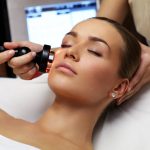
- Microneedling pass: using a derma roller or micro-needle injector device, the practitioner creates fine, controlled micro-channels across the treatment area of the scalp.
- Active ingredient delivery: hair-supporting actives, including amino acids, are applied so they can absorb through the newly created micro-channels.
- Calming and finishing step: the scalp is soothed to reduce any immediate sensitivity before you leave.
Most patients describe the sensation as mild pressure or light tingling rather than pain, since the needle depth is calibrated for the scalp specifically. Some redness or itchiness is common immediately afterward and usually resolves within a few hours to a couple of days.
Aftercare matters for results. In the days following your session, the clinic will typically advise you to:
- Avoid washing with hot water for 1–3 days
- Skip scalp massage or vigorous rubbing for 3–4 days
- Avoid harsh shampoos, styling products, or chemical treatments during this window
- Steer clear of strenuous exercise and heavy sweating in the first day or two
- Limit direct sun exposure on the scalp
- Make sure the scalp is fully dry after washing, rather than left damp
Following this aftercare closely gives the micro-channels time to close naturally and supports the absorption benefits of the session.
Korean-standard technique notes. At Yeppeun, the protocol follows Korean-standard scalp care principles, meaning the session isn’t limited to the microneedling pass alone, scalp assessment and cleansing beforehand, and a calming finishing step afterward, are treated as essential parts of the treatment rather than optional extras. This layered approach, well known in Korea’s aesthetic scalp-care culture, is designed to keep the scalp environment as comfortable and receptive as possible throughout the session, rather than focusing on the needling step in isolation.
How long do results last?
Scalp MTS works cumulatively, so results build with consistency rather than appearing after one visit. The general course recommended at Yeppeun is 3 sessions to begin, with most patients needing around 10 sessions in total before changes become noticeable. Fuller results, where visible, tend to develop gradually over 6 months to a year, which reflects the natural hair growth cycle rather than the treatment alone.
Because Scalp MTS supports scalp condition and absorption rather than permanently altering the follicle, maintenance sessions are typically recommended to sustain results once the initial course is complete. Your practitioner at Yeppeun will advise on a personalized maintenance schedule based on how your scalp responds, since timelines can vary from person to person depending on scalp condition, hair cycle stage, and consistency with aftercare. No two scalps progress identically, which is why the clinic reviews progress at intervals rather than promising a fixed outcome.
A realistic timeline, step by step:
- Sessions 1–3 (initial course): The scalp is assessed and treated on a regular schedule; most patients notice little visible change yet, since hair growth happens in cycles that take time to respond.
- Around session 10: This is the point at which many patients begin to notice a difference in how the scalp feels or how existing hair looks, according to the treatment protocol.
- 6 months to 1 year: Fuller results, where they occur, tend to become apparent in this window, aligned with the natural hair growth cycle rather than the treatment schedule alone.
- Ongoing maintenance: Spaced sessions afterward are typically used to help sustain the scalp environment rather than to “unlock” further results on their own.
Patience and consistency matter more than any single session, skipping appointments or aftercare steps can slow progress, which is part of why the clinic reviews your scalp at each visit.
Is Scalp MTS for me?
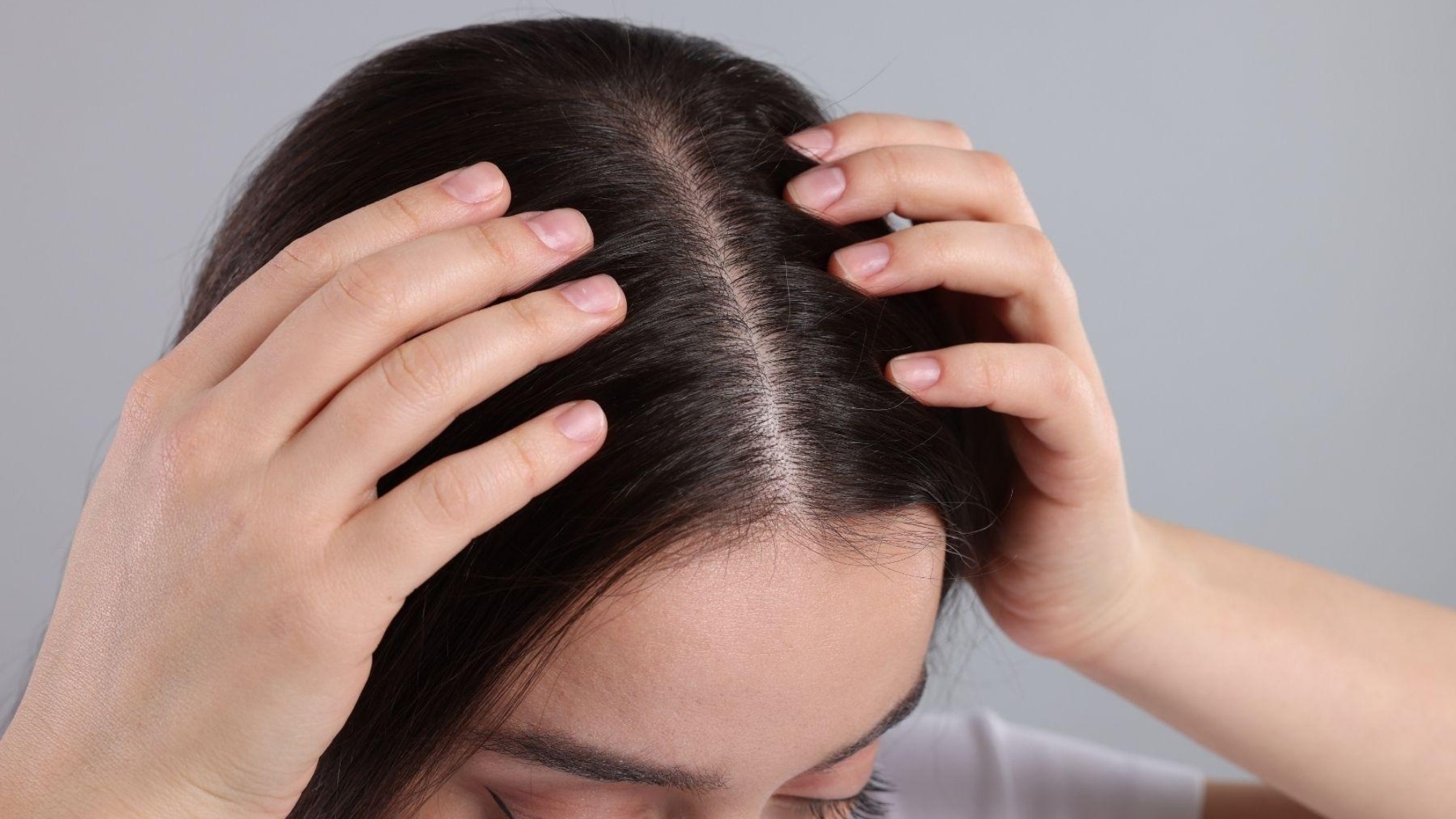
Scalp MTS may suit you if you’re dealing with early-stage thinning, weakened-feeling follicles, or a scalp that seems less responsive to the hair products you already use. It’s also a reasonable option if you simply want to support scalp health as a preventive step. That said, candidacy is individual, and the treatment is not a substitute for a diagnosis of the underlying cause of hair loss, only a licensed practitioner can assess that during an in-person consultation.
Scalp MTS at Yeppeun is generally considered for patients who:
- Are noticing early thinning or reduced hair density
- Have weak or underactive-feeling follicles
- Want to support scalp nutrient absorption alongside existing hair care
- Have color-treated hair and want a scalp treatment compatible with it
- Are looking for a low-downtime option that fits around work and daily life
It may not be the right first step for everyone, for example, those with active scalp infections, certain skin conditions, or more advanced hair loss patterns may need a different approach or additional evaluation first. Because Scalp MTS does not diagnose or treat the root cause of hair loss on its own, a consultation with a DHA/MOHAP-licensed practitioner at Yeppeun is the only reliable way to confirm whether it fits your scalp and goals.
A note on expectations. Hair thinning can stem from many different factors, and no scalp treatment, Scalp MTS included, should be expected to work identically for everyone. If you’ve tried over-the-counter products without the results you hoped for, that alone doesn’t confirm Scalp MTS is or isn’t the right next step; it simply means a proper scalp assessment is overdue. This is a common concern patients raise before their first visit, and it’s exactly what the consultation is designed to address.
What are the possible combinations for Scalp MTS?
Scalp MTS is often used as part of a broader scalp-health plan rather than as a stand-alone step, since combining approaches can support the scalp environment from multiple angles. Commonly discussed combinations include:
- Nutrient or amino-acid scalp serums applied between sessions to reinforce the absorption benefits created during treatment.
- Scalp scaling or cleansing treatments beforehand, to remove buildup so the microneedling pass works on a clean surface.
- LED or light-based scalp therapies, sometimes paired in the same visit or on alternating weeks, to support the scalp environment alongside microneedling.
- At-home hair care adjustments, such as gentler cleansing routines, recommended by your practitioner to complement in-clinic sessions.
- Regular maintenance sessions, spaced according to your practitioner’s recommendation, to help sustain results after the initial course.
Because everyone’s scalp and hair goals differ, the right combination, and whether combining treatments is appropriate for you, should always be discussed and confirmed during a consultation at Yeppeun rather than assumed in advance.
Book Your Scalp MTS Appointment Today
If thinning hair or scalp concerns have been on your mind, the next step is a consultation with a DHA/MOHAP-licensed practitioner at Yeppeun Skin Clinic in Jumeirah 2, Dubai. We’ll assess your scalp, talk through your goals, and confirm whether Scalp MTS, delivered with Korean-standard technique, is the right fit for you.
Book your Scalp MTS consultation with Yeppeun Skin Clinic today, and follow us on Instagram for more scalp-health tips and real patient journeys from our Jumeirah 2 clinic.
Frequently Asked Questions
Is Scalp MTS painful?
Most patients describe Scalp MTS as mild pressure or light tingling rather than pain, since needle depth is calibrated specifically for the scalp. Some redness or itchiness can occur immediately after but usually settles within a few hours to a couple of days.
How many Scalp MTS sessions do I need to see results in Dubai?
Yeppeun typically recommends starting with a course of 3 sessions, with most patients needing around 10 sessions in total before noticing visible changes. Fuller results generally develop over 6 months to a year, as this follows the natural hair growth cycle.
Does Scalp MTS damage the scalp?
No, despite the microneedling process, the needles used are fine and the depth is controlled, so the scalp surface is not damaged. Mild, short-lived redness or itching is the most commonly reported effect.
Can I get Scalp MTS if I have color-treated hair?
Yes, Scalp MTS is generally compatible with color-treated hair. A practitioner at Yeppeun can confirm timing around any recent color services during your consultation.
How long does a Scalp MTS session take?
A full session at Yeppeun takes approximately 40–60 minutes, which includes scalp assessment, cleansing, the microneedling pass, and active ingredient delivery.