DHA-licensed Pico Tone-Up Laser in Jumeirah 2 treats melasma, pigmentation, and tattoos with Korean-standard picosecond technology. Book a consultation.
If you’ve been searching for a way to fade melasma, sun spots, or an old tattoo without weeks of downtime, Pico Tone-Up Laser is one of the most requested treatments at Yeppeun Skin Clinic in Jumeirah 2. It uses picosecond laser technology, ultra-short pulses measured in trillionths of a second (roughly 275–300 picoseconds) at 1064nm and 532nm wavelengths, to shatter pigment or tattoo ink into microscopic particles your body naturally clears. Sessions run just 5–10 minutes, need no numbing cream, and let most patients return to their day immediately. It works on melasma, pigmentation, freckles, sun spots, and unwanted tattoos, and is considered safe across skin tones when performed by trained professionals at a DHA/MOHAP-licensed clinic. It will not “erase” melasma permanently, since melasma is a chronic, hormone-driven condition, but it is one of the most effective tools available for managing and visibly reducing it.
What are the benefits of Pico Tone-Up Laser?
The core benefit is precision: the picosecond pulse breaks pigment into finer particles than older laser types, which means less heat damage to surrounding skin and a lower risk of post-inflammatory marks, an important safety consideration for the deeper, melanin-rich skin tones common in the UAE.
Other benefits include:
- Dual-purpose treatment. The same device treats melasma, pigmentation, sun spots, freckles, and tattoo ink, so patients often combine goals in one treatment plan.
- Virtually no downtime. Because the laser uses ultra-short pulses instead of prolonged heat exposure, most patients see mild redness that settles within hours, not days.
- No numbing required. Sessions are quick and comfortable enough that topical anaesthetic typically isn’t needed.
- Skin tone versatility. The technology is designed to be gentler on melanin, making it a common choice for South Asian, Middle Eastern, and East Asian skin: all well represented in Dubai’s patient population.
- A brightening effect beyond pigment removal. Many patients notice an overall “tone-up”: a more even, luminous complexion: which is where the treatment gets its name.
- Korean-standard technique. The protocol follows the layered, low-heat approach popularised in Korean dermatology clinics, prioritising gradual, controlled improvement over aggressive single-session results.
- Works on multiple pigment depths in one device. Because the laser can be adjusted across 1064nm and 532nm wavelengths, the same machine can target superficial sun spots and deeper melasma or tattoo ink without switching equipment mid-treatment.
- Fits busy schedules. With sessions as short as 5–10 minutes and no mandatory downtime, many patients book appointments around work, school runs, or lunch breaks: a practical advantage for Dubai’s fast-paced lifestyle.
What can you expect during a Pico Tone-Up Laser session?
Expect a short, in-and-out appointment: most sessions take 5–10 minutes of actual laser time, plus a quick consultation and an aftercare mask. Here’s the typical flow:
- Consultation and skin assessment. A licensed provider examines your pigmentation or tattoo, confirms melasma versus other pigment concerns (since misdiagnosed melasma can worsen with the wrong protocol), and sets laser settings accordingly.
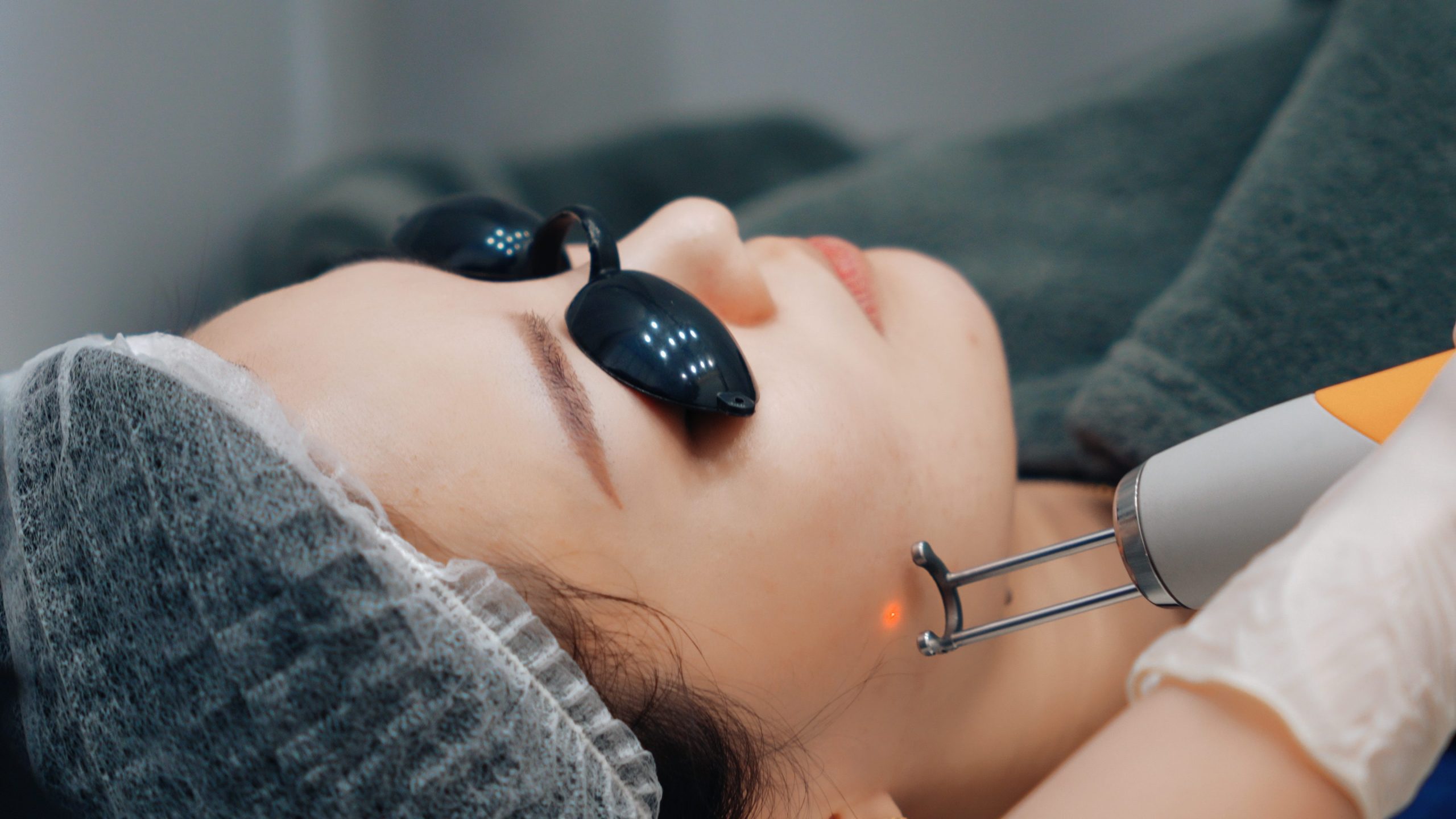
- The laser pass. The device is moved across the treatment area in quick pulses. Patients typically describe the sensation as light snapping or tingling rather than pain, since no numbing cream is used and pulses are extremely brief.
- Immediate aftercare mask. A soothing diatomaceous mask is applied straight after treatment to calm the skin and support healing: a signature step in the clinic’s Korean-standard protocol.
- Mild, short-lived reactions. Light redness or a warm sensation is common for a few hours. Pigment or ink can look temporarily darker for several days before it starts flaking or fading as the body clears it.
- Return to normal activities. Most patients go straight back to work or errands the same day, with daily broad-spectrum SPF as the one non-negotiable aftercare step: especially important for melasma, which is highly sensitive to UV and heat.
Melasma, pigmentation, and tattoo removal are treated differently in practice: melasma usually needs a conservative, lower-energy, multi-session approach to avoid triggering rebound pigmentation, while benign pigmentation (sun spots, freckles) and tattoo ink can often tolerate slightly higher energy for faster clearing. Your provider will map out the number of sessions and spacing during consultation, since this varies by pigment depth, ink density, and skin response.
A note on aftercare in the days following treatment. Beyond the in-clinic mask, most providers advise a gentle, fragrance-free skincare routine for the first few days, avoiding active ingredients like retinol or strong acids until the skin has settled, and skipping saunas, steam rooms, and intense sun exposure, all of which generate heat that can aggravate melasma-prone skin. Treated tattoo areas may form light scabbing or flaking as ink clears; picking at this can affect results, so keeping the area clean and simply letting it shed naturally is the standard guidance.
How long do results last?
Results build gradually and are cumulative, most patients need a series of sessions spaced several weeks apart, with visible fading continuing between visits as the body clears treated pigment and ink. For pigmentation, freckles, and tattoos, results are generally long-lasting once the target pigment or ink is cleared, though new sun spots can form over time without daily SPF use.
Melasma is different, and this matters for setting expectations: melasma is a chronic condition driven by hormones, heat, sun exposure, and sometimes genetics. It is not “cured” by any single laser or by any number of sessions, it is managed. Pico Tone-Up Laser can visibly reduce and lighten melasma patches, but recurrence is common if triggers like UV exposure, heat, or hormonal changes (pregnancy, contraceptive use) aren’t controlled afterward. Most patients on a melasma protocol benefit from periodic maintenance sessions rather than a one-time fix.
Practical factors that affect longevity:
- Daily SPF 50, reapplied: the single biggest factor in how long results last, for both melasma and pigmentation.
- Avoiding heat and sun triggers (saunas, direct midday sun) especially for melasma-prone skin.
- Tattoo ink colour and depth: black and dark blue ink typically clears faster than green, yellow, or red pigments, which may need more sessions.
- Skin type and pigment history: patients with a strong tendency toward pigmentation may need occasional touch-ups even after initial clearing.
Is Pico Tone-Up Laser for me?
You’re likely a good candidate if you have melasma, pigmentation, sun spots, freckles, vascular discolouration, or a tattoo you’d like faded or removed, and you’re looking for a low-downtime option. The treatment is generally considered suitable across skin tones, which is one reason it’s widely used in Dubai’s diverse patient base.
That said, candidacy nuances differ by concern:
- Melasma candidates should have realistic expectations around management versus cure, and should disclose pregnancy, hormonal contraceptive use, or recent sun exposure, all of which can affect timing and results.
- Pigmentation and sun-spot candidates (isolated freckles, lentigines, age spots) tend to see clearer, more predictable results since the pigment isn’t hormonally driven.
- Tattoo removal candidates should know that multiple sessions are typically needed, and that ink colour, layering, and original ink depth all affect how many sessions are required.
- Active skin infections, certain photosensitising medications, active sunburn, or being currently pregnant may mean postponing treatment.
A licensed consultation at Yeppeun Skin Clinic is the only way to confirm candidacy, melasma in particular should never be self-diagnosed, since other pigment conditions can look similar but require a different laser protocol entirely.
It’s also worth knowing what Pico Tone-Up Laser is not designed to do. It targets pigment and ink, not deep wrinkles, volume loss, or significant skin laxity, patients looking to address those concerns are usually guided toward a different treatment or a combined plan. Being upfront about your goals during consultation helps your provider build a realistic, appropriately sequenced plan rather than treating pigment alone and leaving other concerns unaddressed.
What are the possible combinations for Pico Tone-Up Laser?
Pico Tone-Up Laser is frequently combined with other treatments as part of a broader pigmentation or skin-tone plan, based on a provider’s recommendation after assessment. Common combinations include:
- Clear Laser: often layered in for additional brightening and tone correction.
- Reboot Peel or Opal Peel: chemical peels that support cell turnover between laser sessions, which can help even out residual discolouration.
- CO2 Laser or Dermablate: considered for textural concerns like acne scarring or enlarged pores alongside pigmentation.
- Skin Boosters: used to support overall hydration and skin quality, particularly useful for patients doing a longer melasma management course where skin barrier support matters.
- Sunscreen and pigment-focused skincare: not a clinic procedure, but consistently recommended as the maintenance layer that protects laser results, especially for melasma-prone patients.
Because melasma, pigmentation, and tattoo removal respond differently to combination therapy, your treatment plan should be built individually rather than following a fixed package, this is typically discussed and adjusted at your consultation and follow-up visits.
Book Your Pico Tone-Up Laser Appointment Today
Ready to address melasma, pigmentation, or an unwanted tattoo with a DHA/MOHAP-licensed, Korean-standard protocol? Book your Pico Tone-Up Laser consultation at Yeppeun Skin Clinic in Jumeirah 2, Dubai, and get a treatment plan tailored to your skin and your goals.
Follow Yeppeun Skin Clinic on Instagram for real patient results, before-and-afters, and behind-the-scenes looks at Korean-standard skin treatments in Dubai.
Frequently Asked Questions
How does pico laser remove tattoos?
Pico laser uses ultra-short picosecond pulses to shatter tattoo ink into tiny particles that your body’s immune system gradually clears over the following weeks. Because the pulses are so brief, there’s less heat transfer to surrounding skin compared to older laser types, which typically means less risk of scarring and a shorter recovery between sessions. Full tattoo removal usually requires multiple sessions spaced weeks apart, depending on ink colour and density.
Is pico laser safe for dark or tan skin tones?
Yes, picosecond technology is generally considered a safer option for melanin-rich skin because its ultra-short pulses reduce excess heat buildup, which lowers the risk of post-inflammatory hyperpigmentation. That said, safety always depends on correct settings for your individual skin type, which is why treatment should only be done at a DHA/MOHAP-licensed clinic following a proper skin assessment.
How many sessions are needed for pigmentation removal in Dubai?
The number of sessions varies by pigment type, depth, and how your skin responds, and is confirmed during consultation. Benign pigmentation like sun spots and freckles often shows visible fading over a shorter course of sessions, while melasma typically needs an ongoing, conservative multi-session plan with ongoing maintenance since it’s a recurring condition.
Does pico laser hurt during tattoo removal?
Most patients describe the sensation as a quick snapping or tingling feeling rather than significant pain, and numbing cream is often not required because each pulse is extremely brief. Sensitivity can vary by treatment area and individual pain tolerance, and your provider can discuss comfort options during consultation.
Will melasma come back after Pico Tone-Up Laser treatment?
Melasma is a chronic condition, so recurrence is possible, particularly with sun exposure, heat, or hormonal changes. Pico Tone-Up Laser can visibly lighten and manage melasma, but it is not a permanent cure, most patients maintain results with daily SPF, trigger avoidance, and occasional maintenance sessions as advised by their provider.