A DHA/MOHAP-licensed guide to the PRP facial at Yeppeun Skin Clinic, Jumeirah 2, how it works, what to expect, how long results last, and who’s a good candidate.
A PRP facial (platelet-rich plasma facial, sometimes called a “vampire facial”) uses a small sample of your own blood to support your skin’s natural repair process. A licensed provider draws blood from your arm, spins it in a centrifuge for 15 to 20 minutes to separate the platelet-rich plasma, then reintroduces that plasma into the skin. The plasma carries roughly five times the platelet concentration of regular blood, along with growth factors that are involved in tissue repair and collagen production. Most patients need 3 to 5 sessions for optimal results, with visible changes typically appearing around week 3 or 4. At Yeppeun Skin Clinic, this is performed to DHA/MOHAP standards using Korean-standard technique, a treatment approach modeled on the precision and hygiene protocols that made PRP facials a staple in Korea’s aesthetic clinics long before they became popular globally.
What are the benefits of PRP Facial?
A PRP facial supports the skin’s own collagen production using material from your own body, which is why many patients describe it as a “working with your skin, not against it” approach. Because the plasma is autologous (from your own blood), the treatment carries a lower risk of allergic reaction compared to injectables sourced elsewhere.
Commonly reported benefits include:
- Improved skin texture: smoother, more even surface over successive sessions
- Support for acne scarring: plasma growth factors are involved in tissue remodeling around scar tissue
- Increased hydration: many patients notice a plumper, less dehydrated look
- Reduction in the appearance of fine lines: particularly around the eyes and mouth
- General collagen stimulation: supporting skin’s structural protein over time
- A natural-looking result: because nothing foreign is introduced, the effect tends to look like your skin, only refreshed
It’s worth being clear about what a PRP facial is not. It is not a substitute for injectable filler if you’re looking for volume, and it’s not a one-and-done fix, the benefits build with a course of sessions rather than a single visit. Your provider will assess your skin concerns during consultation and tell you honestly whether PRP is the right primary treatment or better used as a support treatment alongside something else.
What can you expect during a PRP Facial?
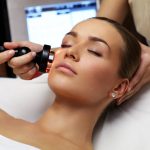
A PRP facial follows a clear, four-step process that takes about 45 minutes to an hour in total, though the injection portion itself is quick, around 5 to 10 minutes, not counting blood draw and preparation time.
Step 1: Blood draw. A small vial of blood is taken from your arm, the same as a routine blood test.
Step 2: Centrifugation. The vial is spun in a centrifuge for 15 to 20 minutes. This separates red blood cells from the platelet-rich plasma, isolating the growth-factor-rich layer used in treatment.
Step 3: Numbing. A topical numbing cream is applied to your face before injection, which is standard practice to keep the experience comfortable.
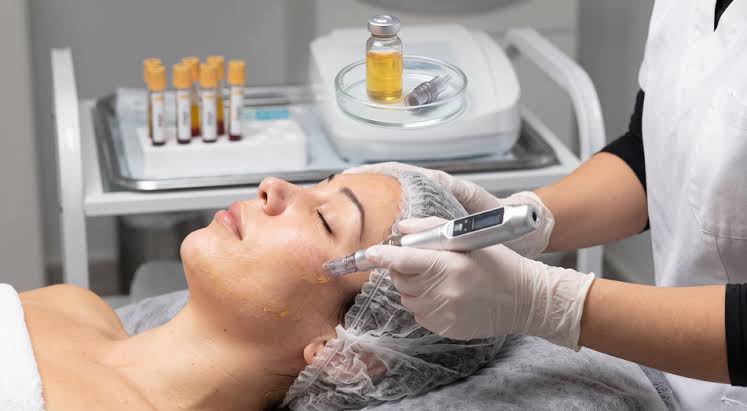
Step 4: Injection. Around 3 to 7 mL of prepared PRP is injected into targeted areas of the face using fine needles, sometimes combined with microneedling to help the plasma work into the upper skin layers.
What makes the Korean-standard approach at Yeppeun different is the attention to injection technique and depth control, the aim is even distribution and minimal trauma to the skin, rather than a rushed, high-volume approach. This is consistent with how PRP facials are commonly performed in Korean clinics, where the treatment has long been part of routine skin maintenance protocols rather than treated as a one-off “quick fix.”
Afterward, you can typically return to your normal daily activities right away. It’s common to see mild redness or small bumps at injection sites for 1 to 2 days, this is a normal part of the skin’s response and settles on its own. Your provider will give you specific aftercare guidance, which usually includes:
- Avoiding makeup for the rest of the day
- Skipping intense sun exposure and using SPF
- Avoiding strenuous exercise or saunas for 24 hours
- Keeping the skin clean and avoiding harsh actives (retinol, acids) for a few days
How long do results last?
Most patients see visible improvement by the 3rd or 4th week after their first session, as the skin’s own collagen response ramps up. This gradual timeline is normal for PRP, unlike fillers, it doesn’t produce an immediate change, because the results come from your skin rebuilding itself.
Results from a completed course typically last around 6 to 7 months, though this varies based on your skin’s baseline condition, age, lifestyle, and how many sessions you complete. Because PRP works with your body’s own regenerative processes rather than adding a foreign substance, the results tend to fade gradually rather than abruptly, and many patients find that maintenance sessions every few months help sustain the effect.
A few factors that influence how long your results last:
- Skin condition at baseline: more compromised skin (heavy scarring, significant sun damage) may need more sessions to see the same visible change
- Sun exposure and skincare habits: consistent SPF use and a stable skincare routine help preserve collagen gains
- Lifestyle factors: smoking, poor sleep, and high stress can affect how well skin responds and holds results
- Number of sessions completed: the recommended course of 3 to 5 sessions is designed to build a cumulative effect, not just a single spike
If you’re weighing PRP against other collagen-stimulating treatments, your provider can walk you through realistic timelines for your specific skin during consultation, this is not something that should be estimated without an in-person assessment.
Is PRP Facial for me?
PRP facial is generally suitable for adults dealing with early signs of aging, uneven texture, mild-to-moderate acne scarring, dullness, or dehydrated-looking skin who want a natural-feeling, gradual improvement rather than an instant, dramatic change.
You may be a good candidate if you:
- Want to improve skin texture and tone using your own biological material
- Have mild to moderate acne scarring or fine lines
- Are looking for a treatment with minimal downtime
- Prefer a gradual, natural-looking result over an immediate transformation
- Have realistic expectations about needing multiple sessions
PRP facial may not be the right first step, or may need to be approached differently, if you have certain blood disorders, are on blood-thinning medication, have active skin infections or lesions in the treatment area, are pregnant or breastfeeding, or have specific chronic health conditions. This is exactly why a proper consultation matters: a licensed provider needs to review your health history and current skin condition before confirming suitability. Nothing in this article should be taken as a diagnosis or a guarantee of candidacy, that determination can only be made in person, at a licensed clinic.
If you’re unsure whether PRP is right for your particular concern, it helps to come in for an assessment rather than guess based on what you’ve read online, every skin type and concern responds a little differently, and a Korean-standard consultation looks at your full skin profile, not just the symptom you’re focused on.
What are the possible combinations for PRP Facial?
PRP facial is often used alongside other treatments to address different layers of skin concern at once, since PRP itself focuses on collagen support rather than resurfacing or deep structural change.
Commonly paired treatments include:
- Microneedling: creating micro-channels that help PRP penetrate more effectively into the skin, often called “PRP microneedling” when combined
- HydraFacial Booster: for patients who want deeper hydration and exfoliation alongside collagen support
- CO2 Fractional Laser: often spaced out from PRP sessions for patients targeting more visible acne scarring or textural irregularities, since the two work on different layers of the skin
- Thread Lifting: for patients who want to address both skin quality (via PRP) and mild sagging or contour concerns (via threads) as part of a broader plan
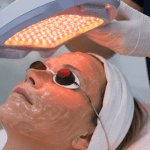
- LED light therapy: sometimes used post-PRP to support the skin’s calming and recovery phase
Your provider will sequence these based on your skin’s needs and recovery windows; combining treatments isn’t about doing everything at once, it’s about layering the right treatments at the right intervals so each one gets a chance to work. This kind of individualized treatment planning is a core part of the Korean-standard approach: assessing the full skin picture first, then building a plan rather than defaulting to a single generic protocol.
Book Your PRP Facial Appointment Today
If you’re curious whether a PRP facial fits your skin goals, the next step is a consultation with a licensed provider at Yeppeun Skin Clinic in Jumeirah 2, Dubai. We’ll review your skin, your history, and your goals honestly, and tell you exactly what to expect- no exaggerated promises, just a clear plan built around your skin.
Book your consultation today and take the first step toward healthier-looking, more radiant skin. Follow us on Instagram for more real patient education content, behind-the-scenes looks at our DHA/MOHAP-licensed, Korean-standard clinic, and answers to the questions you’re too shy to ask in person.
Frequently Asked Questions
How long does a PRP facial last?
Results from a completed PRP facial course typically last around 6 to 7 months. Visible improvement usually starts by the 3rd or 4th week after the first session, and results build gradually as your skin’s own collagen production responds over the treatment course.
Is a PRP facial painful?
A PRP facial is generally well-tolerated because a topical numbing cream is applied before injection. Most patients describe mild discomfort rather than significant pain, and any redness or small bumps at injection sites usually settle within 1 to 2 days.
How many PRP facial sessions do I need?
Most patients need about 3 to 5 PRP facial sessions for optimal results. Sessions are typically spaced a few weeks apart to allow your skin’s collagen response to build cumulatively between visits.
What is the recovery time after a PRP facial?
Recovery time after a PRP facial is minimal, and most patients return to normal daily activities right away. Mild redness or small bumps at the injection sites are common and usually resolve within 1 to 2 days.
Can PRP facial help with acne scars?
PRP facial may help improve the appearance of mild to moderate acne scarring by supporting collagen production and tissue remodeling around scar tissue. For more pronounced scarring, your provider may recommend combining PRP with treatments like CO2 fractional laser or microneedling for a more noticeable result; this is best confirmed during an in-person consultation.